Over two weeks, from April 27th to May 8th, the Environmental Conservation Lab welcomed two groups of high school students from the Frontier School division. AJ’s first cohort of students came from Minegoziibe Anishinabe and various surrounding communities from April 27th to May 1st. Their second cohort of students was from Lynn Lake and Marcel Colomb First Nation (Black Sturgeon) from May 4th to May 8th.
The Minegoziibe Anishinabe (Pine Creek First Nation) Student Tour – April 27 to May 1
This tour began with the UManitoba campus, focusing on the STEM (Science, Technology, Engineering, Mathematics) faculties. The students met Savannah Hart from the Indigenous Students Center who was leading them.
Their next stop was the Aki Centre, who warmly embraced both groups on the Tuesday. AJ emphasized how significant a place like the Aki Centre was for cultural connection and understanding, particularly in an urban setting such as Winnipeg.
*Ozhaawashkwaa Animikii-Bineshi Aki Onji Kinimaagae’ Inun (Blue Thunderbird Land-based Teachings Learning Centre) is an extension of the Seven Oaks School Division, located on 50-acres in West St. Paul, Manitoba. Rooted in Indigenous ways of knowing and being, we foster reconciliation by braiding Land-based education, ecological restoration, and community stewardship together for Seven Oaks learners, educations, and the extended community.– The Aki Centre
Wednesday was spent at Oak Hammock Marsh, then the group received a site tour of the UManitoba IGAC (Investors’ Group Athletic Centre). The students were excited to have a quick meet-and-greet with two members of the Bisons women’s team.
Lastly, this group concluded their tour by visiting the Lockhart Planetarium and listened eagerly to a speech from Randy Hermman, the director of the Engineering Access Program (ENGAP).

The Lynn Lake and Marcel Colomb First Nation (Black Sturgeon) Student Tour – May 4 to May 8
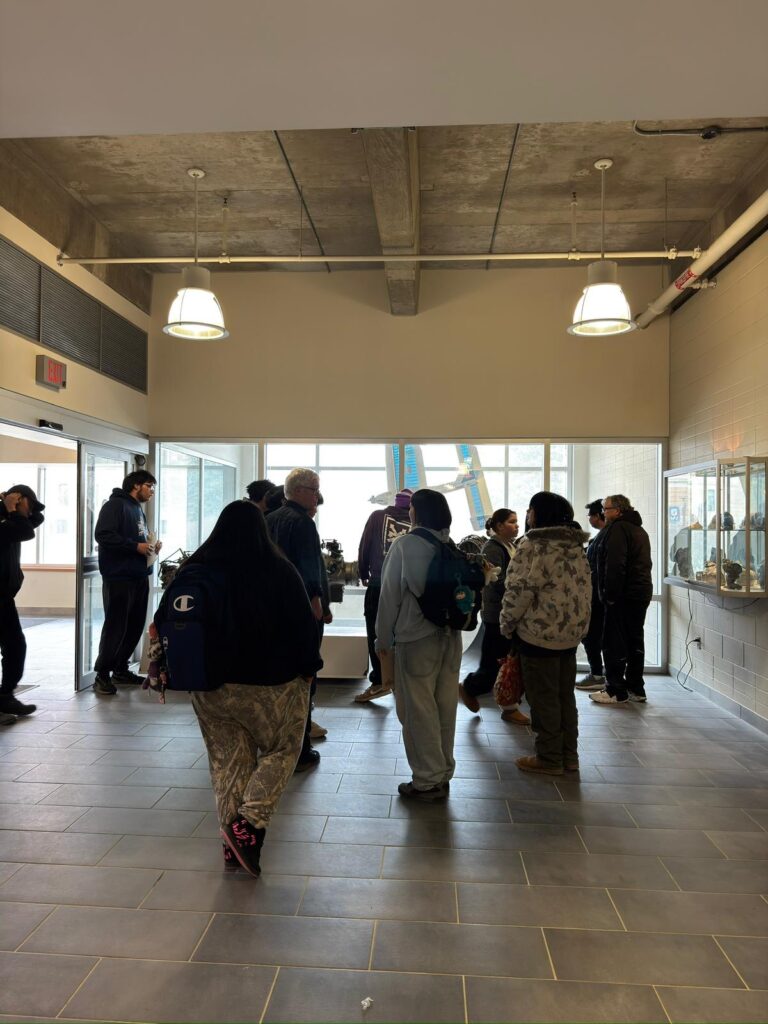
AJ’s second cohort of students was from Lynn Lake and Marcel Colomb First Nation (Black Sturgeon) from May 4th to May 8th. This tour started the same way, exploring campus and the STEM faculties with Autumn Dixon from the Indigenous Students’ Centre.
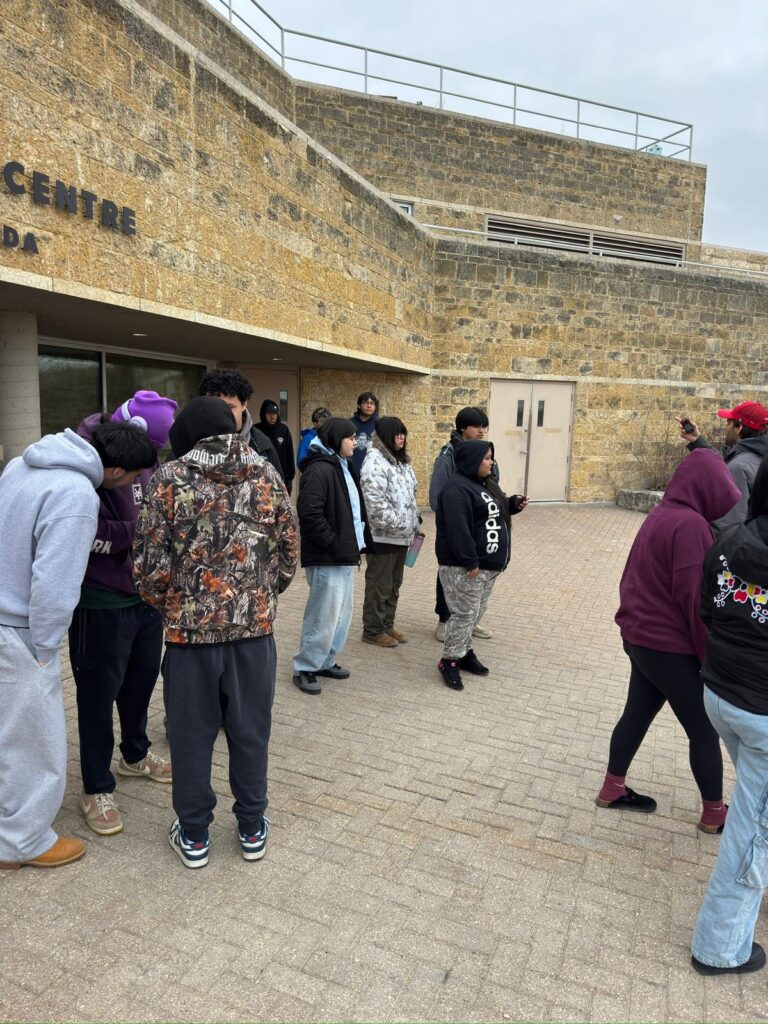
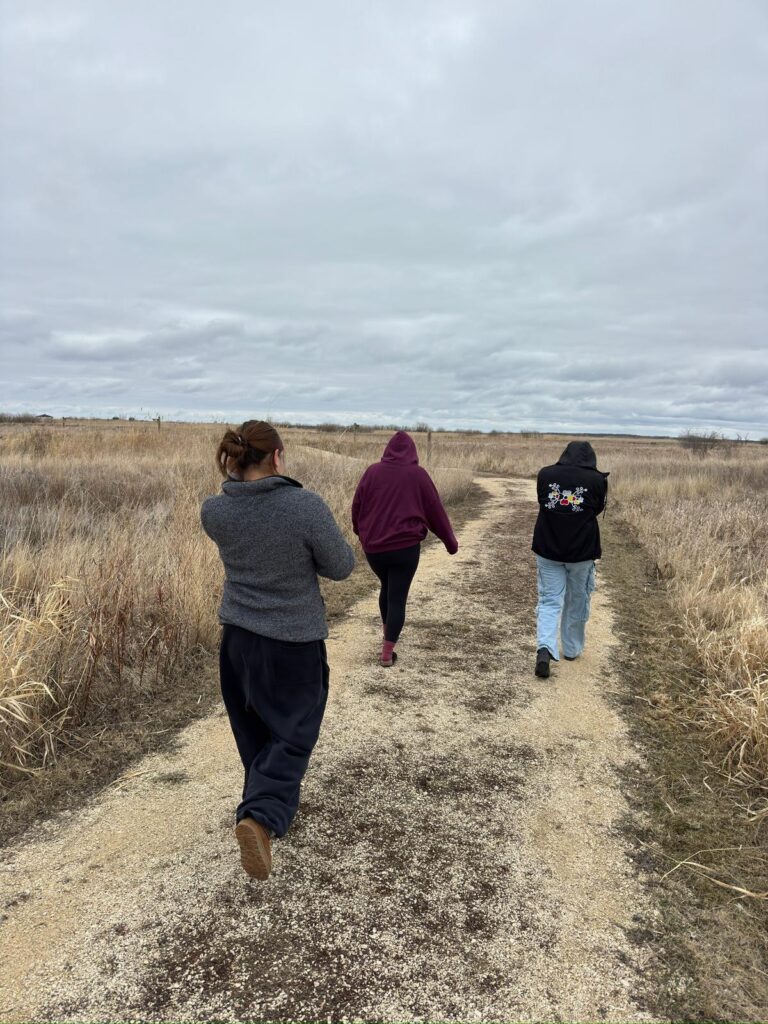
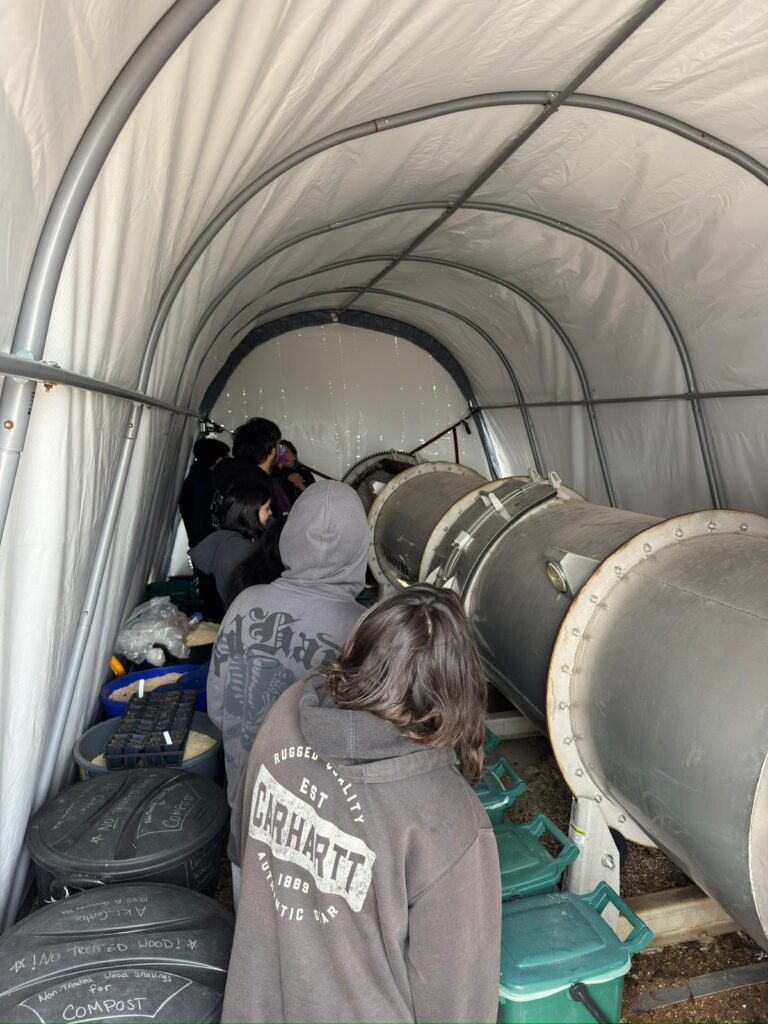
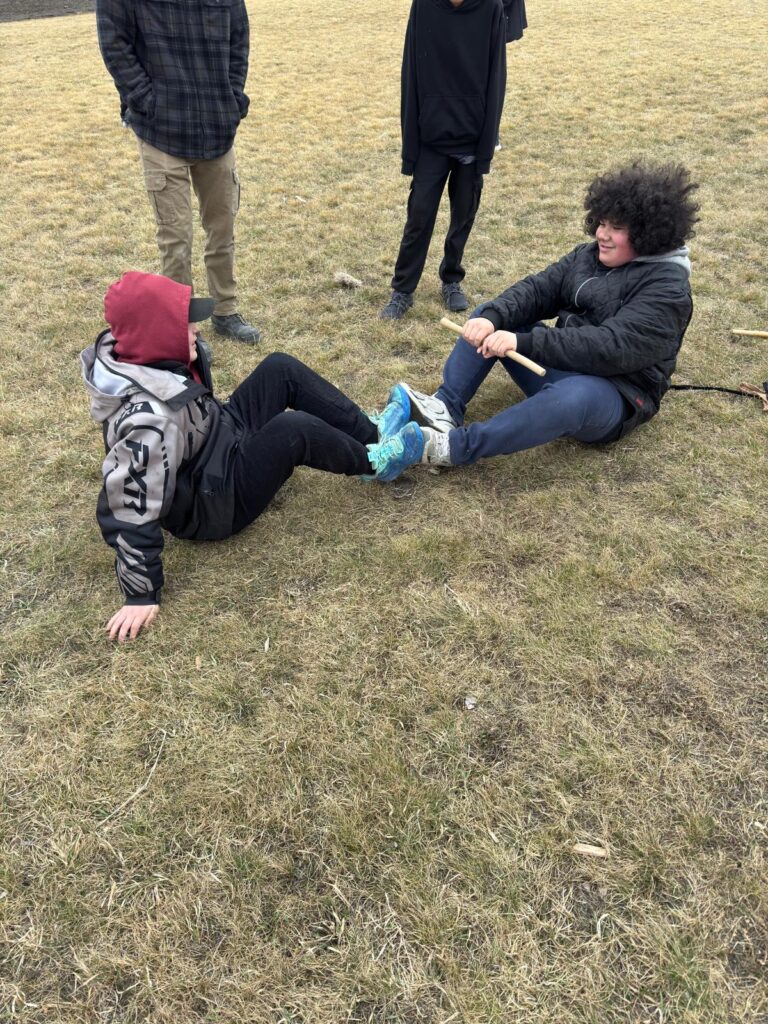
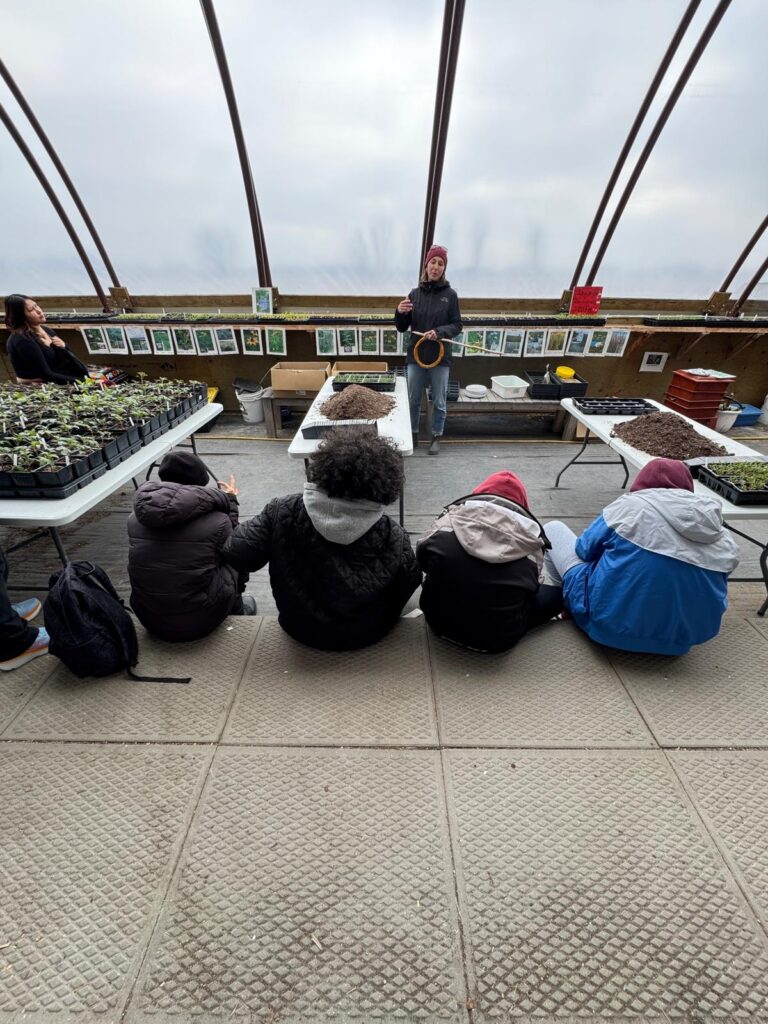
The afternoon was spent at the Aki Centre, which welcomed both groups very warmly. Quite a few students enjoyed the choice of helping with transplanting diverse types of native grass species into larger pots, while others spent all their time outside playing Indigenous games like Stick and Hoop.
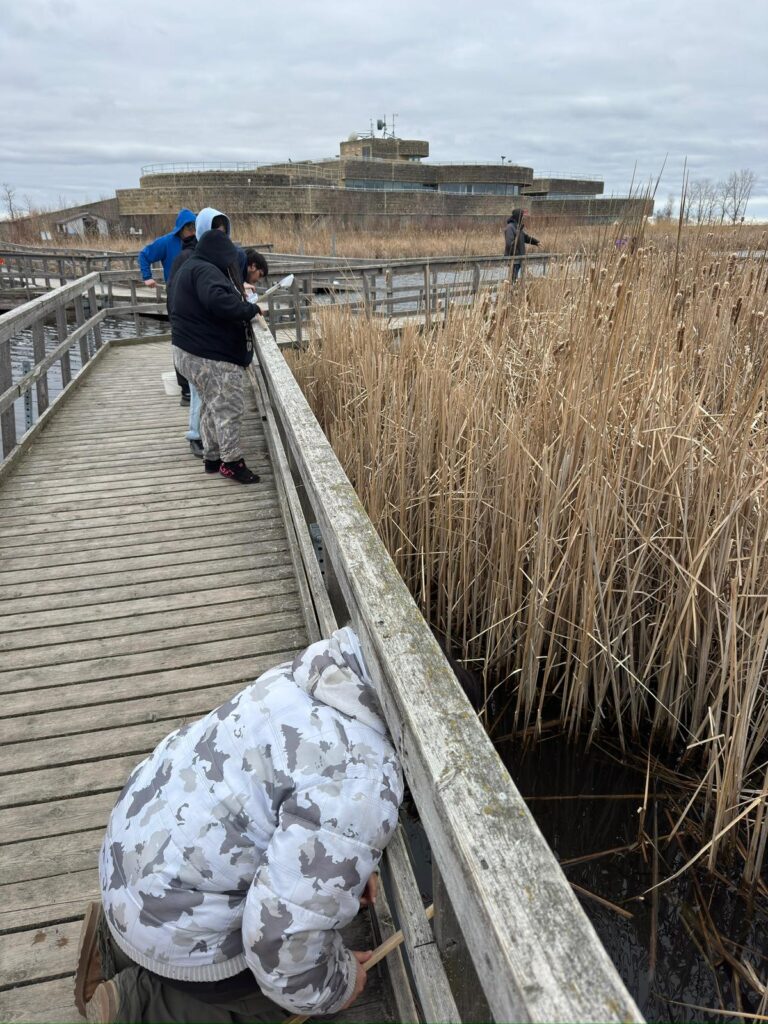
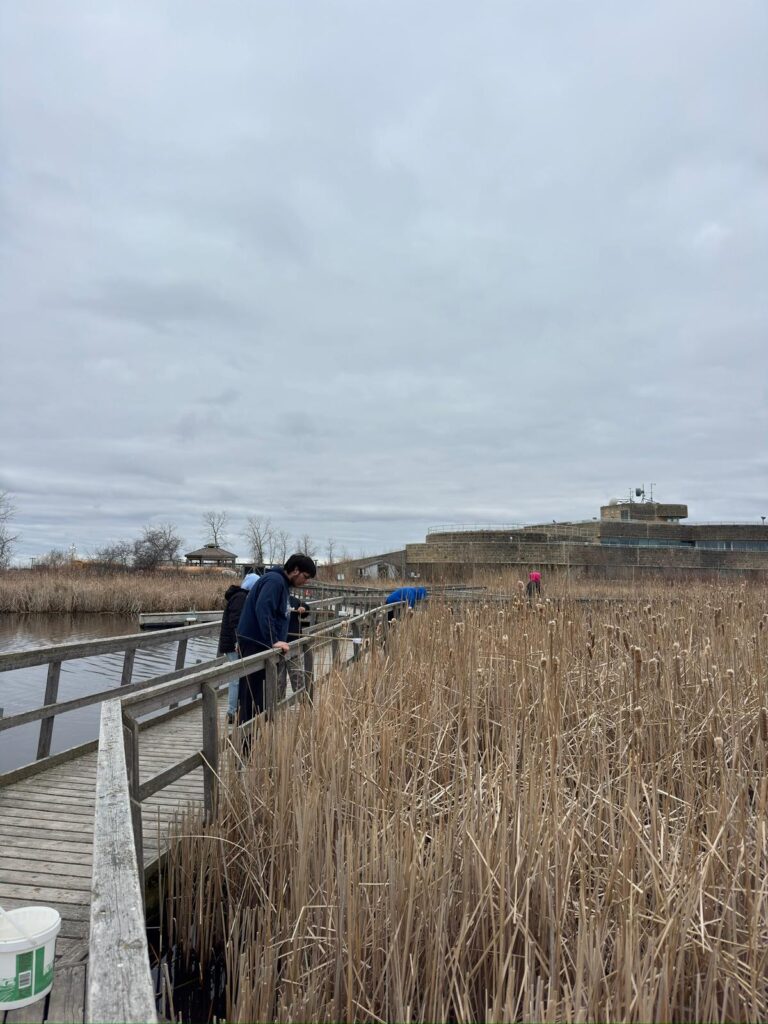
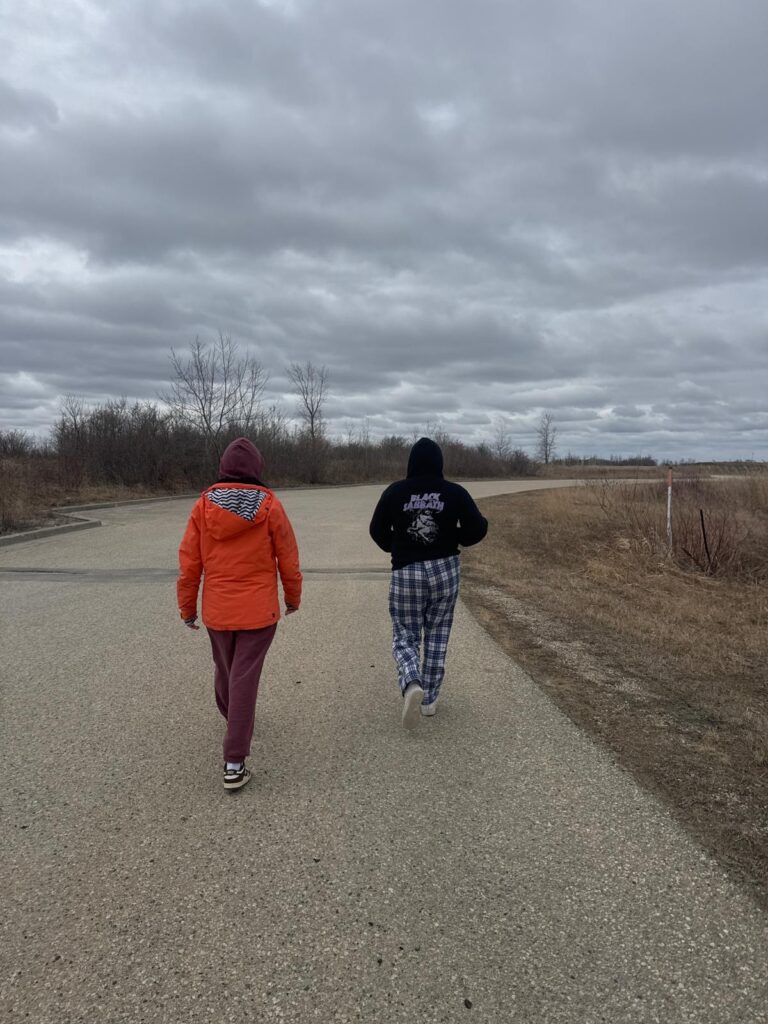
Wednesday for the group was spent at Oak Hammock Marsh. There were multiple activities we did throughout the morning, like geocaching, critter dipping, and even bird watching! Critter dipping was quite fun, we were looking for various kinds of invertebrates, and a few students were able to find water boatmen, side swimmers, large dragonfly larvae, and even a few mollusks like snails.
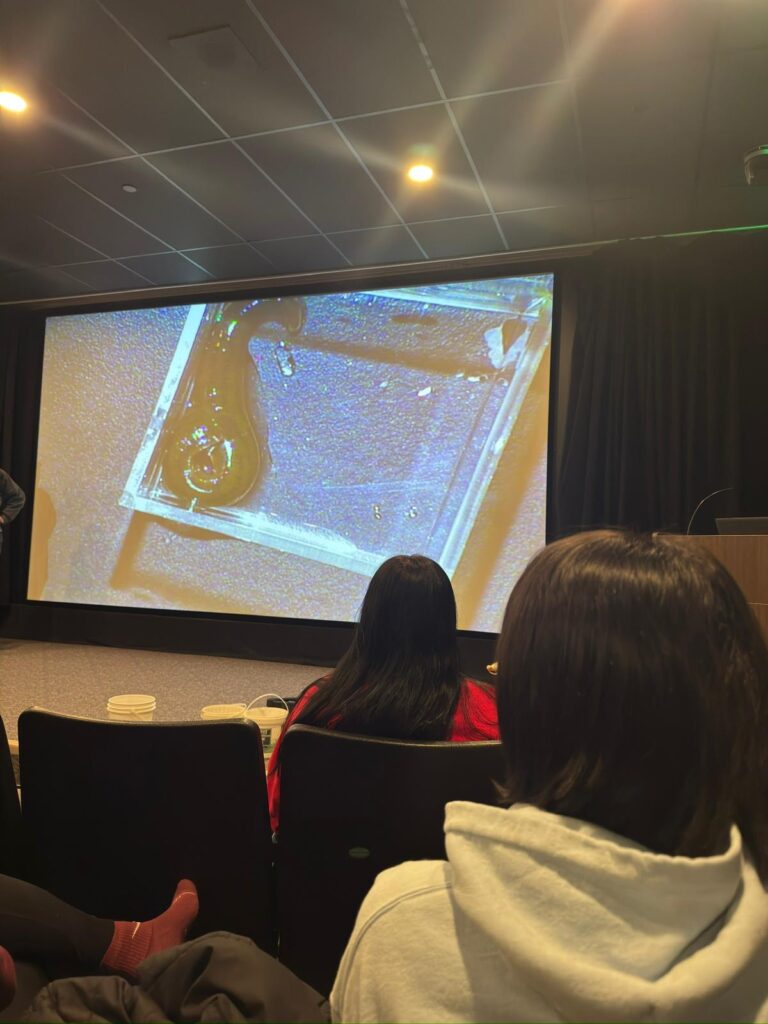
Both cohorts were given a presentation by Randy Hermman, the director of ENGAP. ENGAP (Engineering Access Program) was one of the most well-received activities that we had on our list. His presentation demonstrated how engineering helps us in our day to day lives, while also warning about the negatives.
He shared the importance of questioning “who is this project good for? Are we only benefiting one certain group of people?”. This was in relation to talking about how Winnipeg receives its water from the aqueduct that was built from here to Shoal Lake 40, while Shoal Lake First Nation experienced a boil water advisory for 24 years and limited access to their lake.
On their last day, the Lynn Lake group spent their morning in an informational session with Wawatay. Two students from Wawatay and one of the program development specialists discussed how a Wawatay scholar can immerse themselves in situations where professors and staff blend Indigenous knowledge with Western science in research, teaching and learning. The Lynn Lake group learned what Wawatay can offer students if they decide to pursue science at the University. Lastly, the students visited the Lockhart Planetarium to close off the tour.
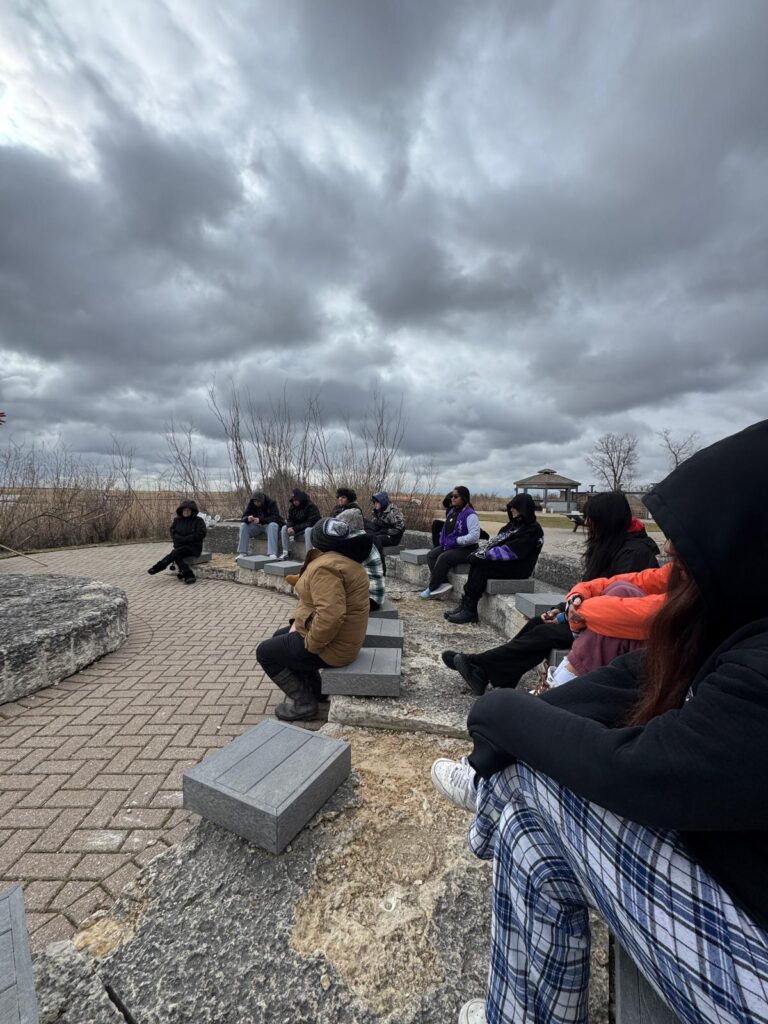
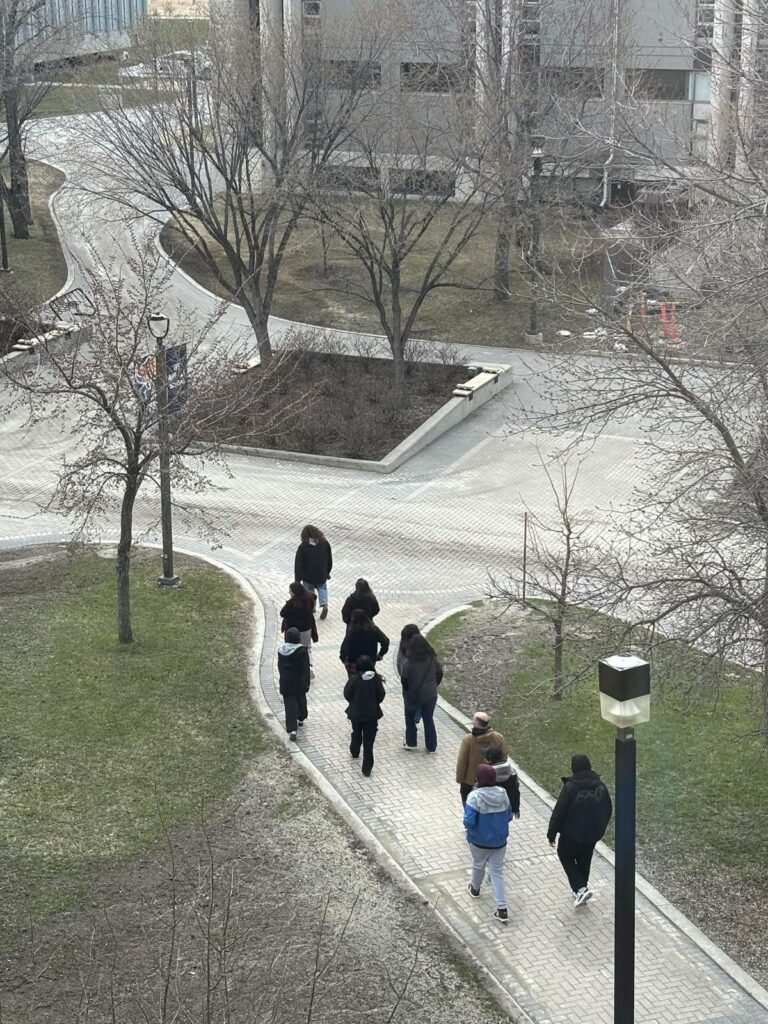
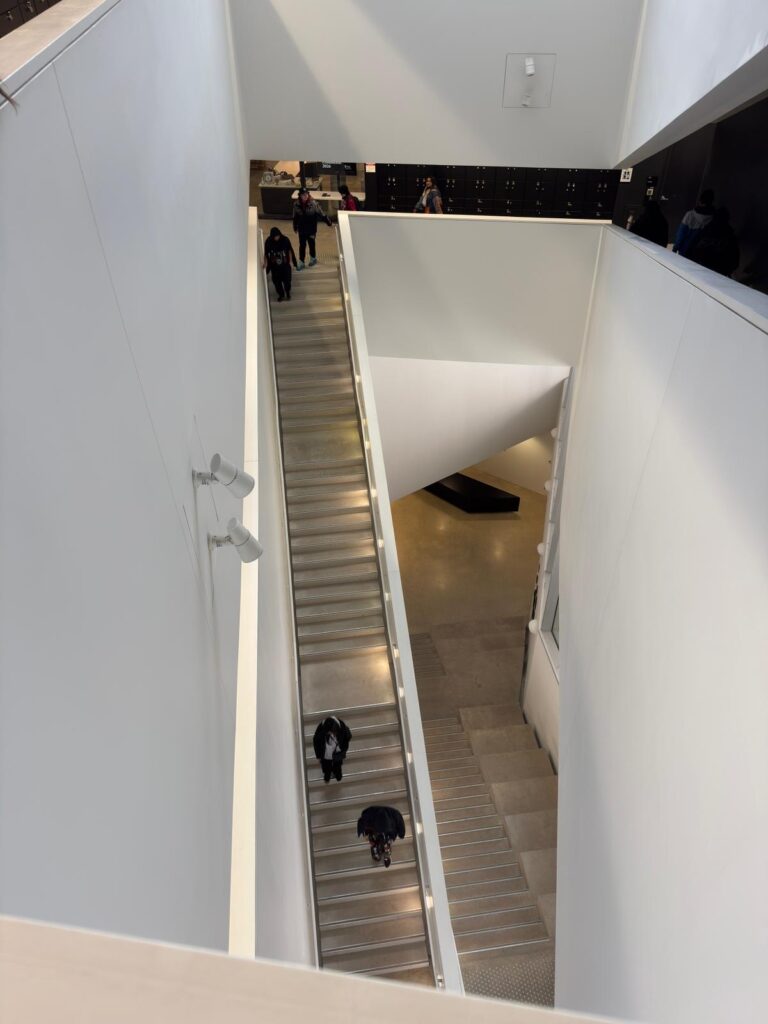
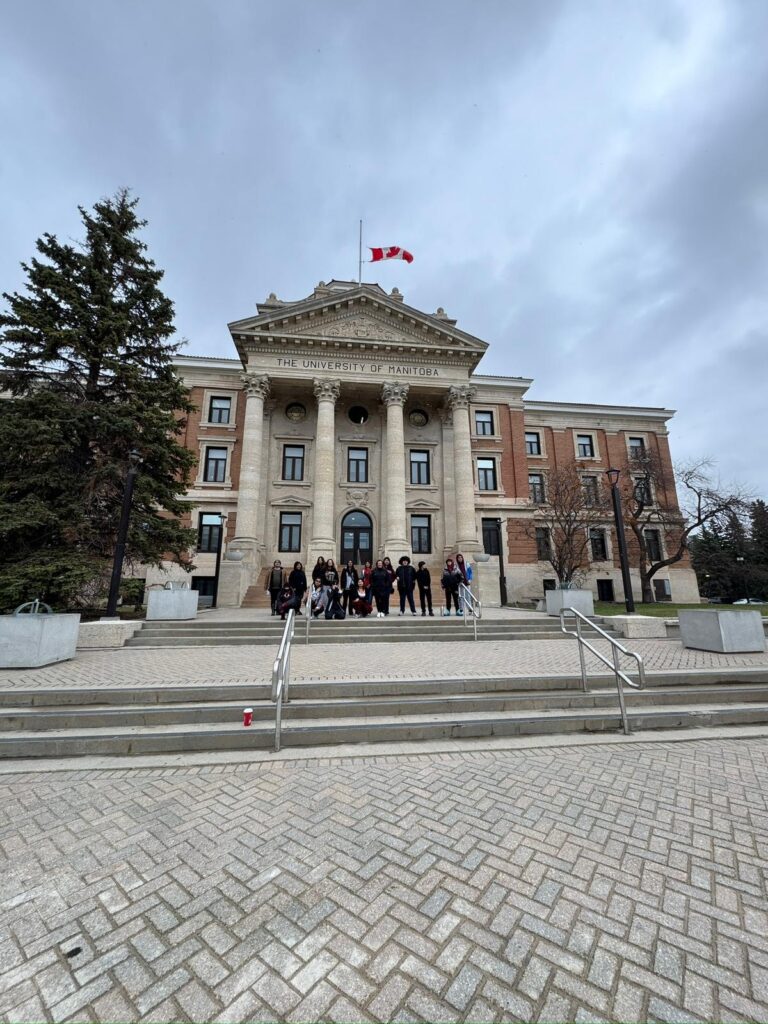
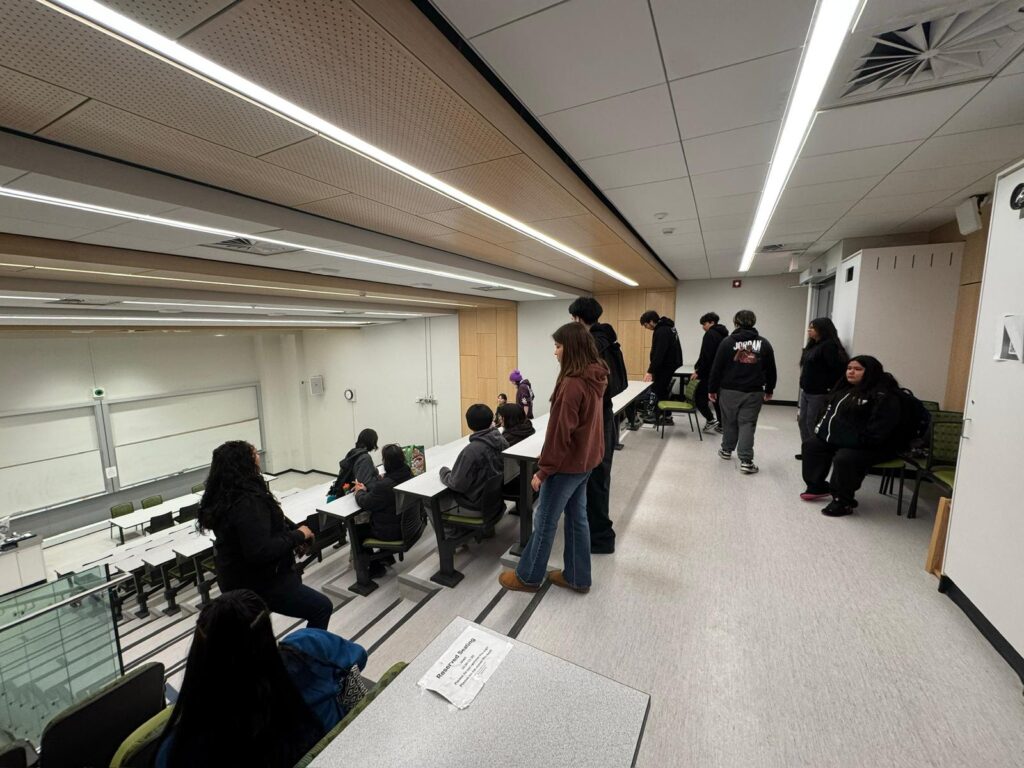
These tours were greatly appreciated by the students who were only familiar with a much smaller scale of education facilities, and it was an amazing experience to watch them see how large the campus actually is. A highlight for the students was exploring some of the larger lecture halls that UofM has to offer. Having three Indigenous high school students from the Seven Oaks School Division to also act as Aki Centre ambassadors who greeted and hung out with both groups, was also something AJ greatly admired.
**************************************
Thanks to Kelly Janz at the Environmental Conservation Lab, and Shea Henderson, a Land-Based Education Coordinator with the Frontier School Division. This trip was made possible by the NSERC PromoScience Grant, which supports organizations working with Canadian youth to promote an understanding of science and engineering (plus related fields such as mathematics and technology).
Through nearly 7 months of meetings, discussions, quick changes, and perseverance, we finally did it!