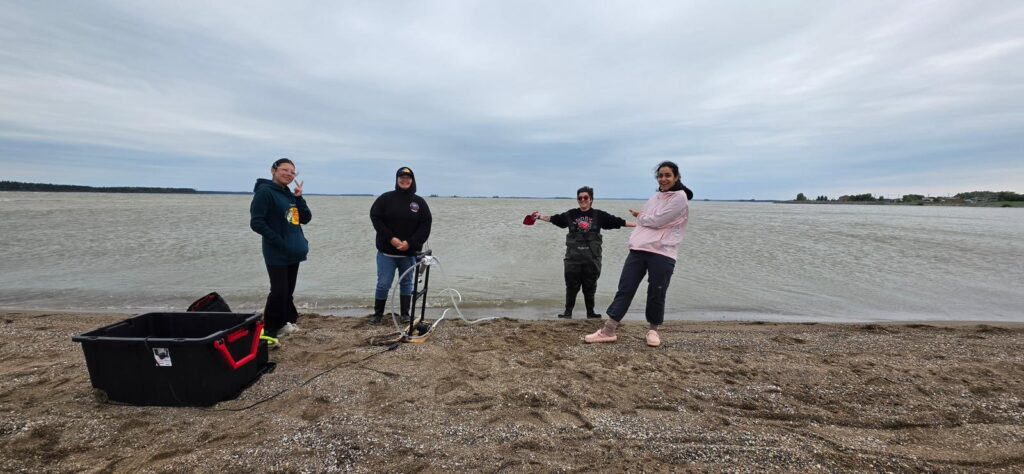
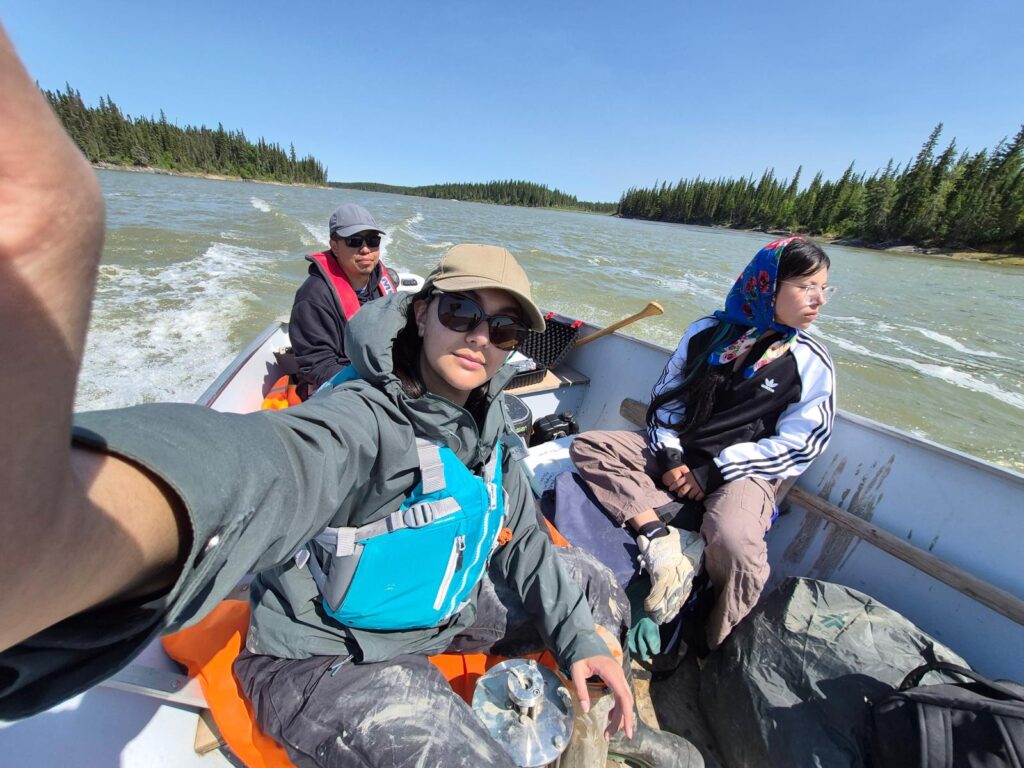
AJ Spence, the Environmental Conservation Lab’s Land Based Coordinator, travelled to Tataskweyak Cree Nation (TCN) with a team of researchers and students earlier in the summer to help support conducting water monitoring camps, and engaging with groups of Indigenous youth from the community.
AJ expressed incredible gratitude for this experience, emphasizing the importance of this work by saying:
“I think every faculty at the university should be trying to include youth from rural, remote and northern indigenous communities to gain experience within their respective fields. Spending time with the youth on the land has been such a blessing this summer to experience. There’s always something to be learnt from them and it’s beautiful to see them open up with others.”
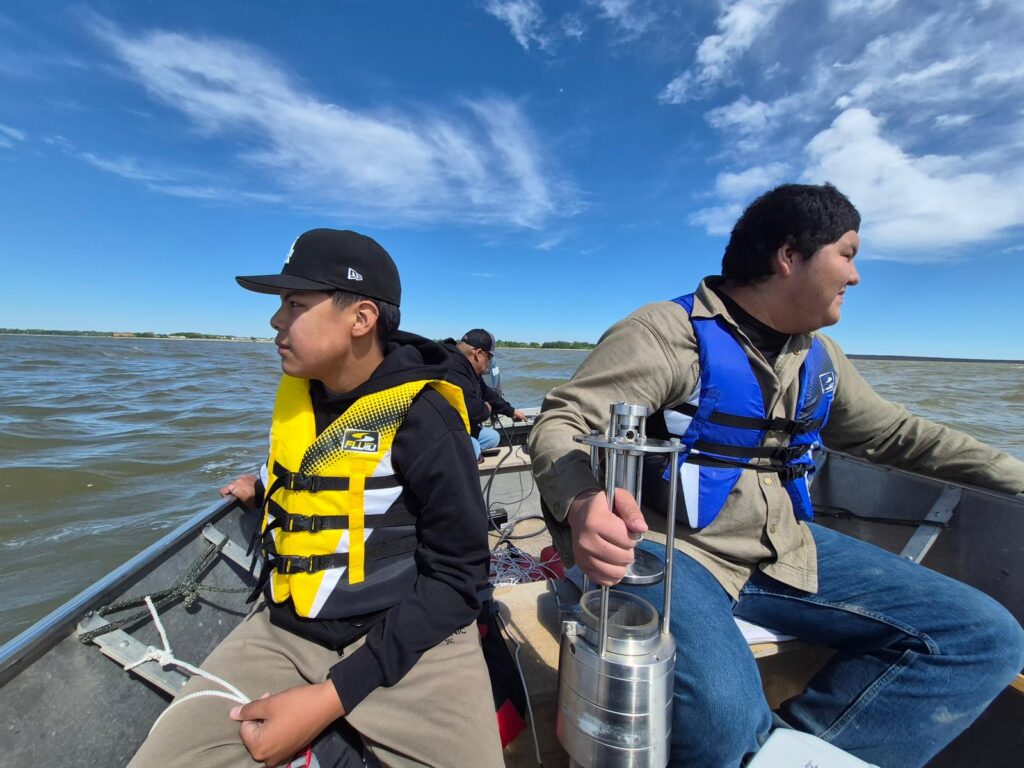
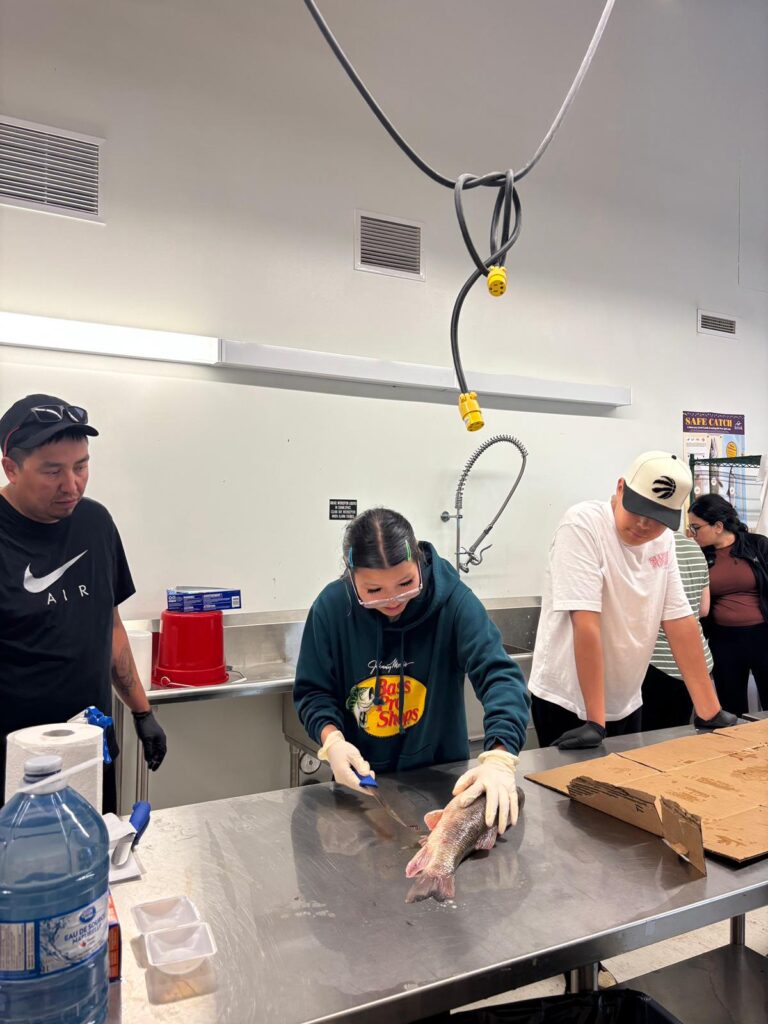
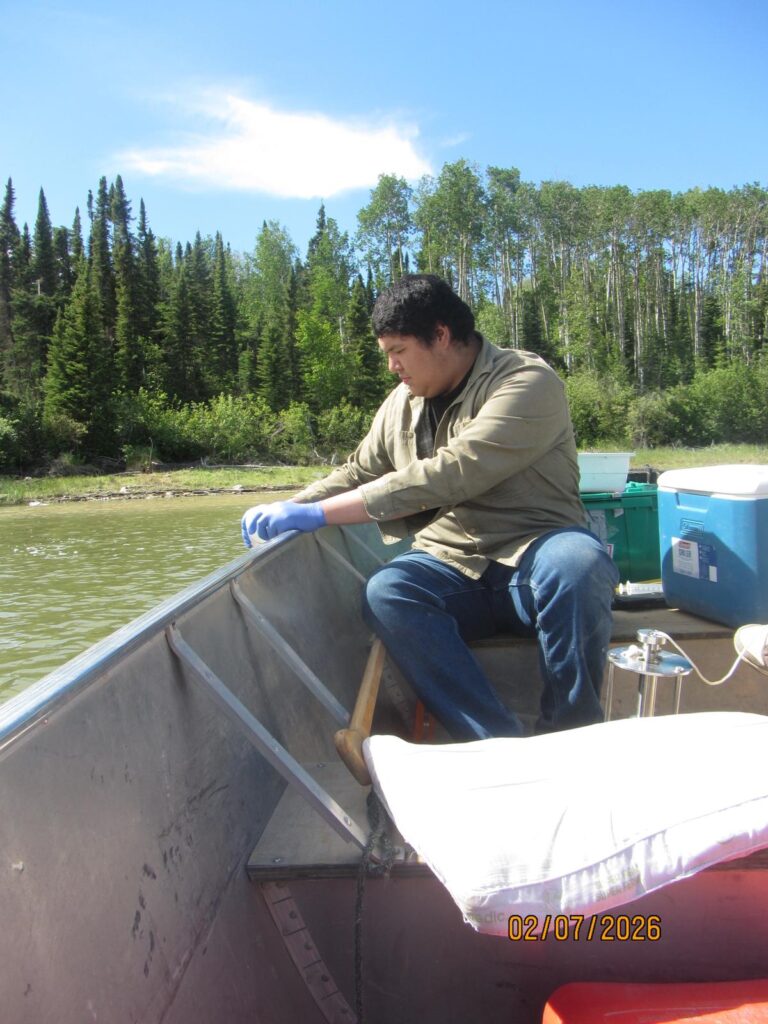
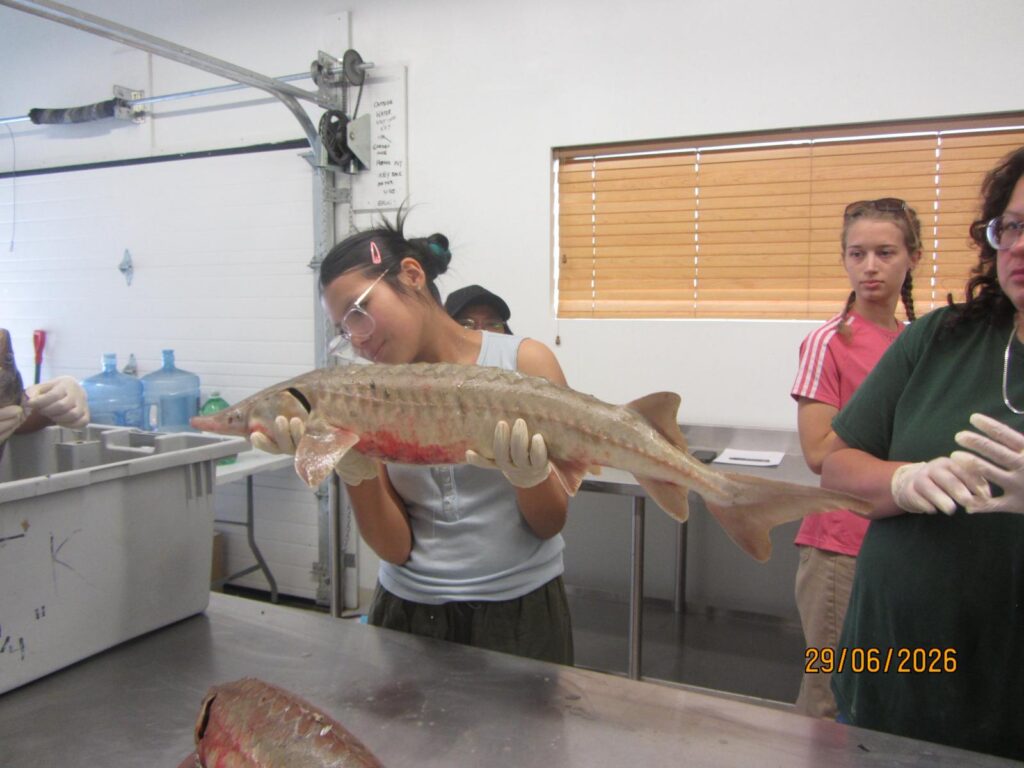
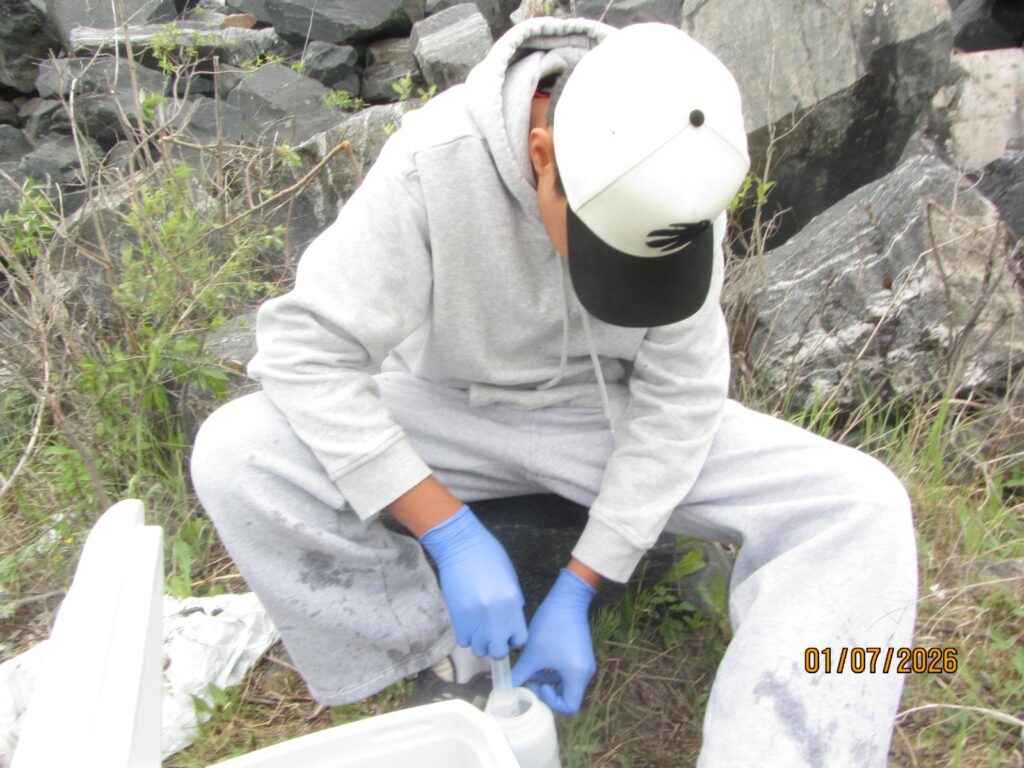
The Tataskweyak youth took part in water quality monitoring as well as sampling sediment, fish, zebra mussel and eDNA samples to be tested for bacteria, pesticides, heavy metals, and other contaminants.
AJ noted that it is crucial the youth are included in these water monitoring camps because it helps them gain experience in environmental topics and an introduction to specific tools used for testing different aspects of the environment. This involvement also facilitates an understanding of land stewardship practices among the youth, which is necessary to continue building a sense of cultural knowledge.
Another great lesson for these camps is how they allow the youth the right to know what is occurring in their communities, while having access to the data being extracted as well.
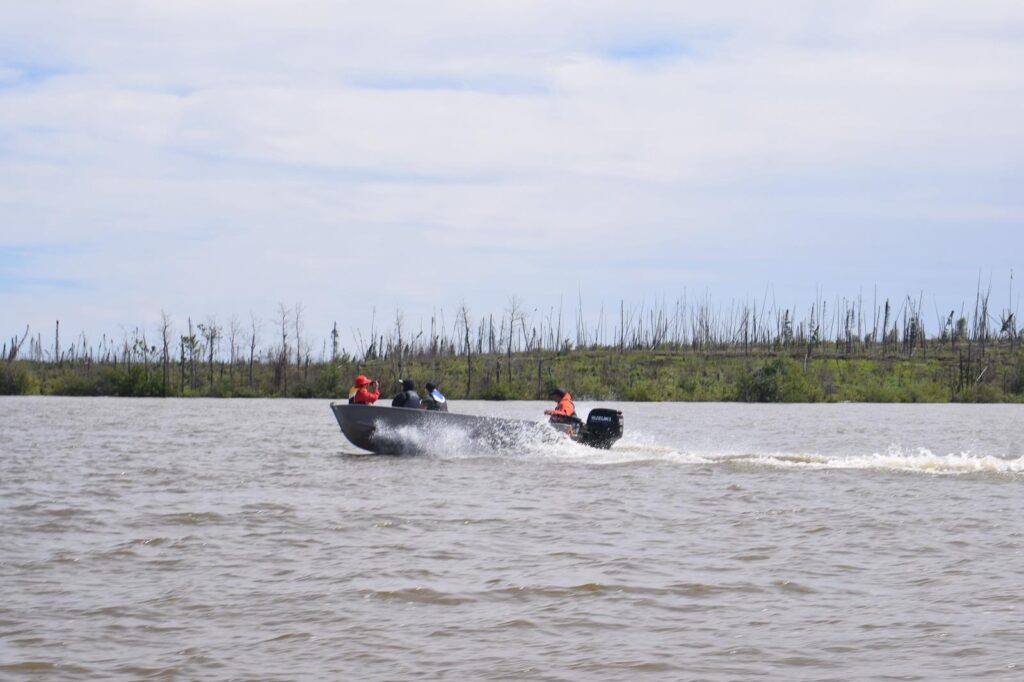
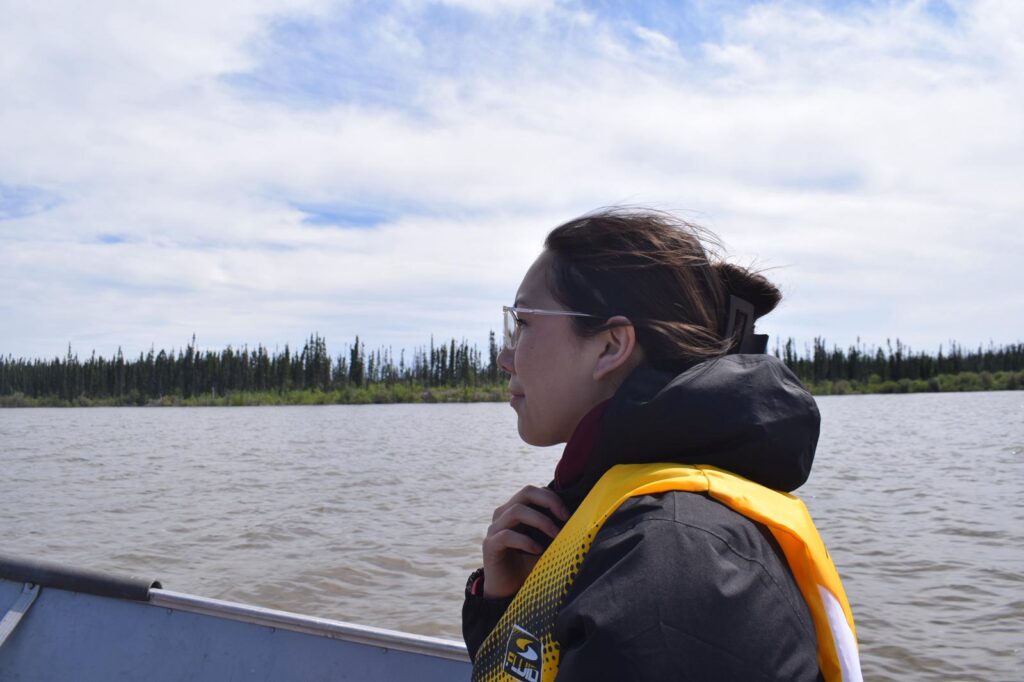
These pictures are from the camps which took place between June 28th and July 6th, 2026.
AJ and the team visited again more recently, from August 30 to September 4.
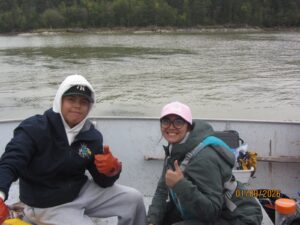
These camps are a collaborative effort involving the Tataskweyak Environmental Monitoring Agency (TEMA), the Environmental Conservation Lab, along with academics, researchers, and students from other labs and faculties across campus.